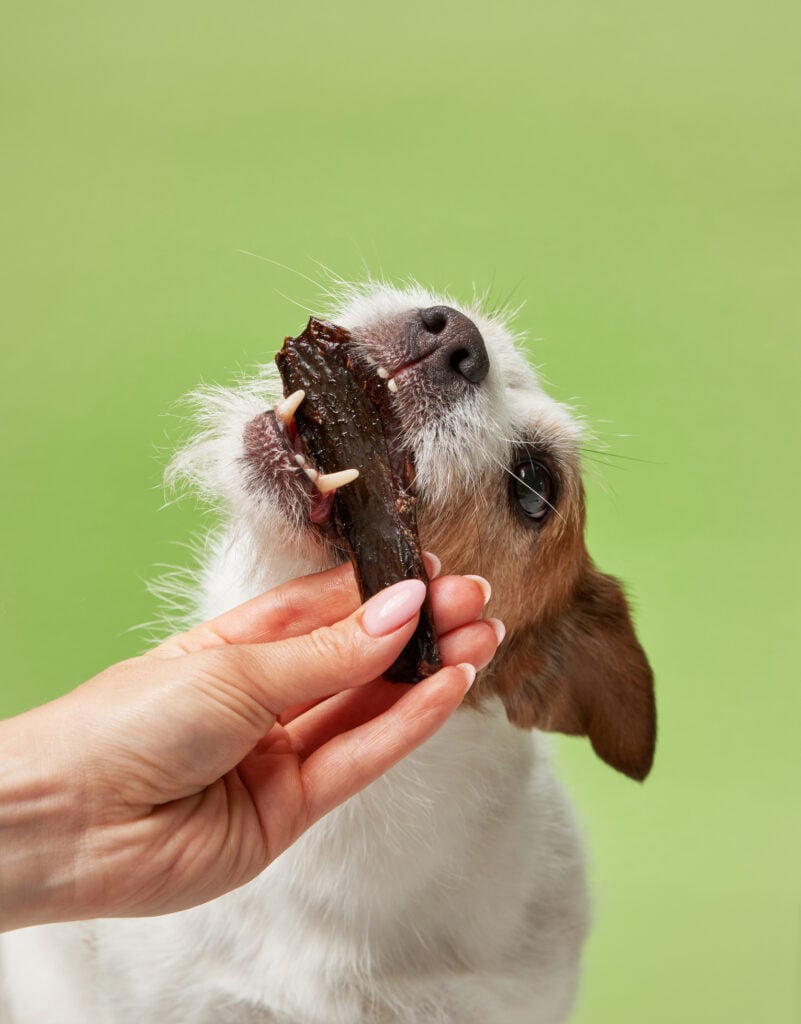
The Secret to Soft Treats
-
The Ingredient: Coconut glycerin is a natural, plant-based liquid derived directly from coconut oil.
-
The Purpose: It acts as a humectant, which means it binds to water to keep your dog’s favorite jerky and soft treats moist and chewy.
-
The Benefit: By locking in moisture, it prevents the growth of mold and bacteria, acting as a safe, natural preservative without the use of harsh chemicals.
-
The Safety: It is highly digestible, generally safe for dogs, and provides a touch of natural sweetness without spiking blood sugar.
The Sweet Truth About Coconut Glycerin in Dog Treats
As pet parents become increasingly conscious about pet nutrition, reading the back of a treat bag can sometimes feel like trying to decipher a foreign language. You want to give your furry best friend healthy, natural rewards, but you might occasionally spot an unfamiliar word on the ingredient list.
If you love buying soft, chewy treats or savory meat jerkies for your pup, you have likely noticed coconut glycerin in dog treats.
At first glance, a word like “glycerin” might sound like an artificial chemical that doesn’t belong in a natural pet product. However, the truth is quite the opposite! Coconut glycerin is a high-quality, plant-based ingredient that plays a vital role in keeping your dog’s snacks safe, delicious, and enjoyable. Let’s break down exactly what this ingredient is and why premium pet food brands utilize it.
What Exactly is Coconut Glycerin?

Glycerin (also known as glycerol) is a naturally occurring, odorless, and colorless liquid that tastes slightly sweet. It can be derived from several different sources, including animal fats, petroleum, soybeans, or palm oil.
When you see coconut glycerin on a label, it means the ingredient was extracted specifically and exclusively from coconut oil. This is an important distinction! Sourcing glycerin from coconuts ensures that it is 100% plant-based, highly sustainable (unlike environmentally damaging palm oil), and free from the allergens sometimes associated with soy-based products.
Why Do Brands Use Coconut Glycerin in Dog Treats?
Why not just use 100% meat and nothing else? If you have ever tried to bake a homemade dog treat and watched it turn into a rock-hard biscuit within two days, you already know the answer. Coconut glycerin serves three major purposes in commercial pet treats:
1. Creating the Perfect Chewy Texture
Dogs absolutely love soft, chewy treats—especially senior dogs with dental issues or puppies with small teeth. Coconut glycerin is a “humectant.” This means it naturally attracts and retains moisture. When added to a recipe, it prevents the treat from drying out and crumbling, locking in that satisfying, meaty chewiness that dogs go crazy for.
2. A Natural, Chemical-Free Preservative
Moisture is a double-edged sword in food preparation. While it makes treats soft, excess free-standing water is a breeding ground for mold and harmful bacteria. Coconut glycerin solves this problem by binding to the water molecules inside the treat. It locks the moisture away so bacteria cannot use it to grow. This extends the shelf life of the treats naturally, allowing brands to avoid controversial, artificial chemical preservatives like BHA or BHT.
3. Enhanced Palatability
Glycerin has a naturally sweet flavor profile. While dogs are primarily motivated by the smell of meat, a tiny touch of natural sweetness makes the treat even more high-value and exciting for them. Unlike regular table sugar, coconut glycerin has a very low glycemic index, meaning it won’t cause a massive spike in your dog’s blood sugar levels.
Is it Safe for My Dog?
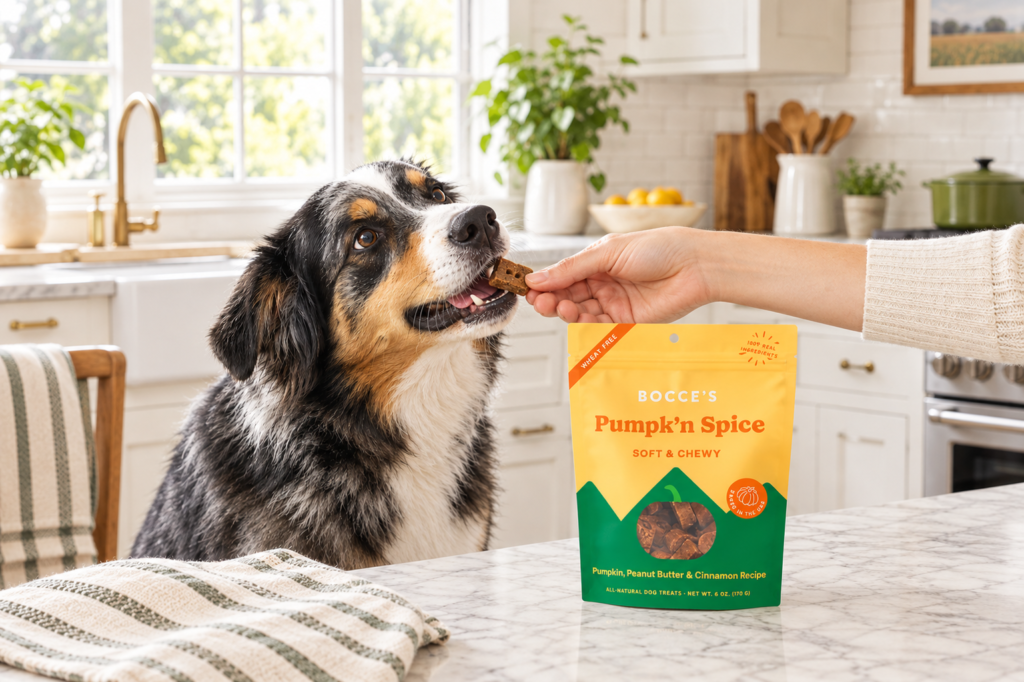
Yes! The FDA recognizes vegetable glycerin as GRAS (Generally Recognized as Safe). Because it is a simple carbohydrate, your dog’s body can easily digest and metabolize it as an energy source.
When specifically choosing treats that highlight coconut glycerin, you are actively avoiding the lower-quality, synthetic glycerins often used in cheap, grocery-store pet foods. It is a premium ingredient choice that proves a brand cares about the sourcing and safety of their products.
Recap: The Power of Plant-Based Moisture
-
Premium Sourcing: Unlike generic glycerin, coconut glycerin is sustainably sourced entirely from coconuts, avoiding soy and palm oil.
-
Texture Control: It is the secret ingredient that keeps meat jerkies and training bites soft, moist, and easy to tear into smaller pieces.
-
Mold Prevention: By safely binding water molecules, it acts as a natural preservative to keep treats fresh without artificial chemicals.
-
A Safe Choice: It is highly digestible, naturally sweet, and an excellent energy source for your dog.
Frequently Asked Questions (FAQ)
Will coconut glycerin in dog treats upset my dog’s stomach? For the vast majority of dogs, no. It is highly digestible and safe. However, just like any treat or dietary addition, if a dog consumes a massive amount of it at one time, it could lead to loose stools. Always feed treats in moderation according to the package directions!
Is coconut glycerin the same thing as propylene glycol? Absolutely not! Propylene glycol is a controversial synthetic additive used in some lower-tier pet foods to maintain moisture. Coconut glycerin is a natural, plant-derived alternative that is far safer and much healthier for your pet’s digestive system.
Why not just use water to keep the treats soft? If a manufacturer only used water, the treats would have to be heavily refrigerated and consumed within a few days, otherwise, they would quickly grow mold. Coconut glycerin provides the softness of water but with the shelf-stability required for a safely packaged product.
Are you ready to reward your pup with the best natural snacks on the market? Visit your local Hollywood Feed today to speak with our expert Feed Team about finding the perfect, high-quality jerky or training treats for your best friend, or take advantage of our convenient Same Day Delivery or Curbside Pick-Up to get their favorites fast! Be sure to check out our blog for more expert pet nutrition tips, training guides, and everything you need to navigate pet parenthood.