The Sphynx at a Glance
-
Personality: Highly extroverted, affectionate, and deeply attached to their humans. Often described as part monkey, part dog, and part child.
-
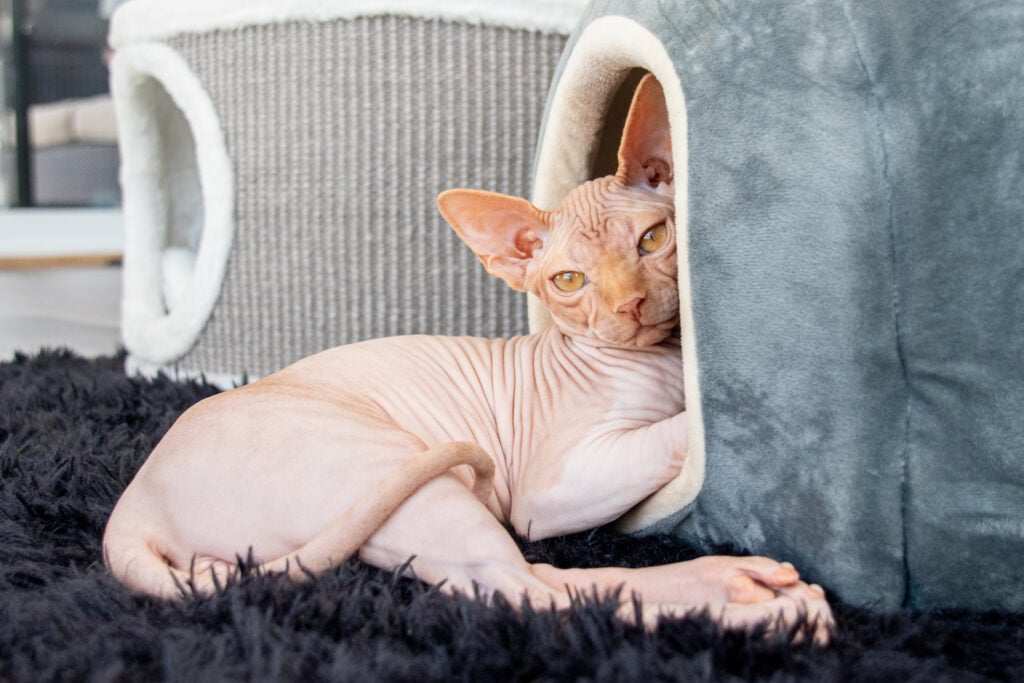
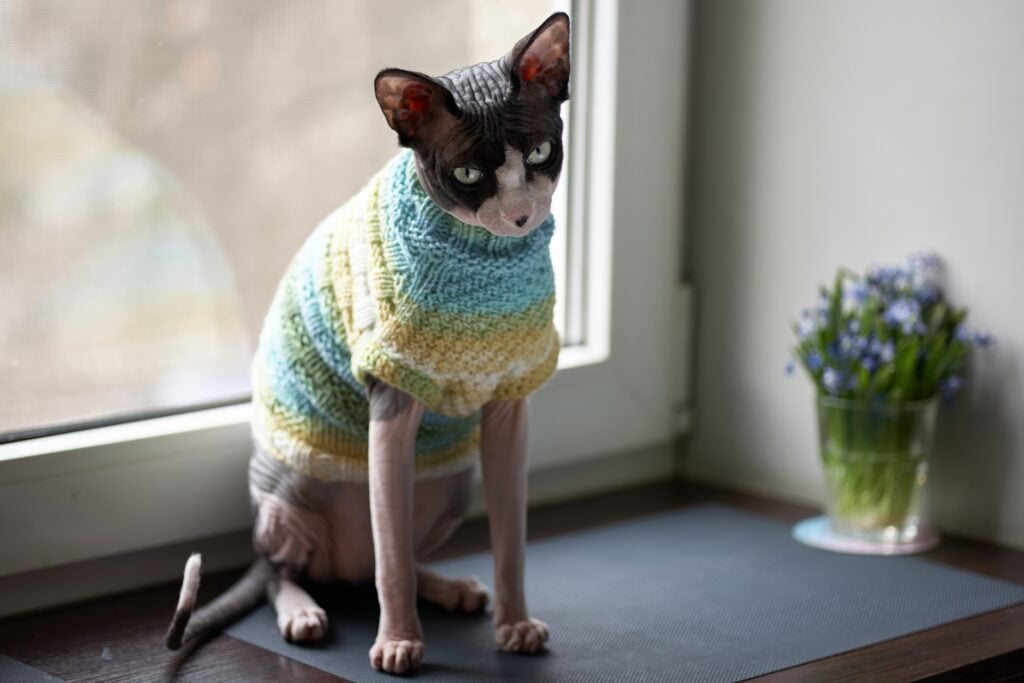
Appearance: Hairless (covered in a soft “peach fuzz”), with large lemon-shaped eyes and oversized ears.
-
Care Requirements: High. They require regular bathing, ear cleaning, and protection from both cold weather and sunburn.
-
Energy Level: High. They are acrobatic, curious, and love interactive play.
-
Best For: Dedicated owners who have the time for specialized grooming, families who want a highly interactive “Velcro” cat, and indoor-only households.
The Hairless Wonder: Your Complete Sphynx Cat Breed Guide
When you first lay eyes on them, you might do a double-take. With their wrinkled skin, massive ears, and distinct lack of a fluffy coat, they look like a creature straight out of a fantasy novel. However, once you spend five minutes with one, you will quickly realize why the Sphynx cat breed has completely captured the hearts of pet lovers worldwide.
Behind that extraterrestrial appearance is a cat with a massive personality and an even bigger heart. They are incredibly social, exceptionally smart, and unapologetically demanding of your love and attention.
If you are considering bringing one of these unique felines into your home, you need to be prepared. Their lack of fur means they require a very specific care routine. In this comprehensive guide, we explore the fascinating history, the extroverted personality, and the vital grooming needs of the Sphynx cat breed.
History: Not From Egypt!
Given their name, most people assume the Sphynx cat breed originated in ancient Egypt. In reality, their history is much more modern—and much further north!
The breed as we know it today actually originated in Toronto, Canada, in 1966. A domestic cat gave birth to a hairless kitten named Prune, the result of a natural genetic mutation. Breeders took an interest in this unique trait and began carefully crossing these hairless cats with normal-coated cats (like the Devon Rex) to build a robust gene pool.
The name “Sphynx” was eventually chosen because their sleek, statuesque bodies resembled the monumental Great Sphinx of Giza.
Personality: The Ultimate “Velcro” Cat
If you want a highly independent cat who ignores you until dinner time, the Sphynx cat breed is not for you. They are the ultimate “Velcro cats” and want to involve themselves in absolutely everything you do.
-
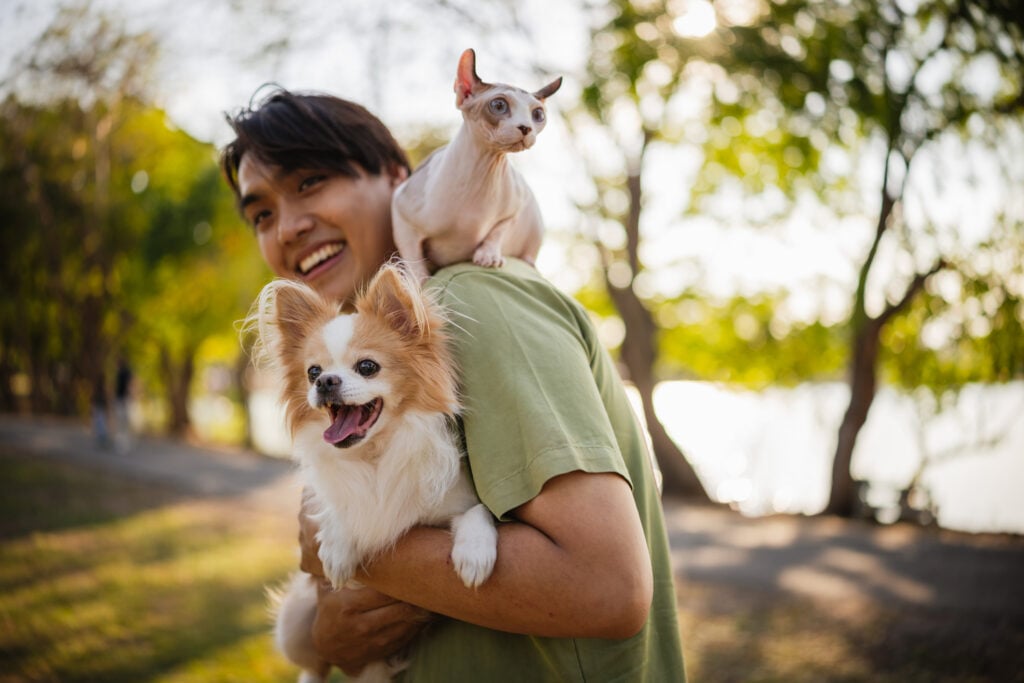
Extremely Social: Sphynx cats love everybody. They will confidently greet guests at the door, demand to be held, and happily climb onto the shoulders of strangers.
-
The Heat Seekers: Because they lack a fur coat to hold in their body heat, they are always looking for a warm spot. You will frequently find them burrowing under your bed sheets, sleeping on top of your laptop, or curling up directly against your neck.
-
Entertaining and Vocal: They are highly intelligent and acrobatic. They love puzzle toys, learning tricks, and climbing to the highest points in the room. They are also quite chatty and will happily hold a conversation with you in a series of chirps and meows.
Care Guide: High Maintenance, High Reward
The biggest misconception about the Sphynx cat breed is that no hair equals no grooming. In truth, they require significantly more grooming than a standard domestic shorthair.
1. Bathing Routine
Normal cats have fur that absorbs the natural oils produced by their skin. Because the Sphynx lacks fur, these oils accumulate directly on their skin. If left unwashed, they become greasy, develop acne, and will leave brown, oily spots on your furniture and sheets. You must bathe a Sphynx every 1 to 2 weeks using a gentle, pet-safe shampoo to keep their skin healthy and clean.
2. Ear and Nail Care
Sphynx cats do not have hair in their ear canals to block dirt and debris, meaning they produce a large amount of dark ear wax. You will need to clean their ears weekly with a vet-approved feline ear wash. Additionally, a waxy buildup can accumulate around their nail beds, which needs to be wiped away during their regular nail trims.
3. Temperature Control
If you are cold, your Sphynx is freezing. During the winter months, they need warm cat sweaters and cozy pet beds to stay comfortable. Furthermore, they should absolutely be indoor-only cats. Because they have no fur to protect them from the elements, they are highly susceptible to sunburns and hypothermia.
4. Premium Nutrition
To compensate for the rapid heat loss through their bare skin, Sphynx cats have a naturally higher metabolism than other breeds. Therefore, they eat a lot! Fuel their internal furnace with high-quality, protein-rich wet food and premium kibble to keep them healthy and energized.
Health and Wellness
Generally, the Sphynx cat breed is sturdy and robust, living between 12 to 14 years. However, like all purebreds, they carry genetic predispositions to a few specific conditions.
-
Hypertrophic Cardiomyopathy (HCM): This is the most common form of heart disease in cats, and the Sphynx breed is highly susceptible to it. Reputable breeders will consistently scan their breeding cats for HCM using echocardiograms.
-
Dental Disease: They are prone to periodontal disease, making daily tooth brushing and regular veterinary dental cleanings essential.
-
Skin Issues: Without proper bathing and sun protection, they can develop severe skin conditions, hives, and sunburns.
Recap: Is a Sphynx Right for You?
To summarize this spotlight on the Sphynx cat breed, they make an incredible companion if you:
-
Want a highly affectionate, clingy, and entertaining pet.
-
Are fully committed to a rigorous bi-weekly bathing and ear-cleaning routine.
-
Have a warm, indoor-only environment.
-
Can provide premium nutrition to support their high metabolism.
Conversely, they might not be the right fit if you work extremely long hours, want a low-maintenance pet, or prefer a cat that respects your personal space!
Frequently Asked Questions (FAQ)
Are Sphynx cats completely hypoallergenic? No, this is a very common myth! While they lack fur (which means they don’t leave hair around your house), cat allergies are actually caused by the Fel d 1 protein found in a cat’s saliva, dander, and urine. Because Sphynx cats still groom themselves and produce dander, they can still trigger reactions in severe allergy sufferers.
Are they completely bald? Not usually! Most Sphynx cats are covered in a very fine, soft down that feels like peach fuzz or warm suede. They also frequently lack whiskers and eyelashes.
What colors do Sphynx cats come in? They come in every color and pattern you would find on a normal cat—it is simply printed directly on their skin! You can find solid black, bright white, torties, calicos, and tabby-patterned Sphynx cats.
Why do they get greasy? Because they lack a fur coat to wick away and absorb the natural sebum (oil) their skin produces, it simply sits on the surface of their skin. This is why regular baths with a gentle cat shampoo are mandatory.
Are you ready to welcome a loving, wrinkly Sphynx into your home? From gentle skin-soothing shampoos and ear wipes to cozy sweaters and premium high-calorie food, Hollywood Feed has everything your unique feline needs. Visit your local Hollywood Feed today to speak with our expert Feed Team, or take advantage of our convenient Same Day Delivery and Curbside Pick-Up to get your supplies fast! Be sure to check out our blog for more expert pet care tips, breed guides, and everything you need to navigate pet parenthood.