The Siberian at a Glance
-
Personality: Highly affectionate, incredibly playful, and known for their dog-like devotion to their families.
-
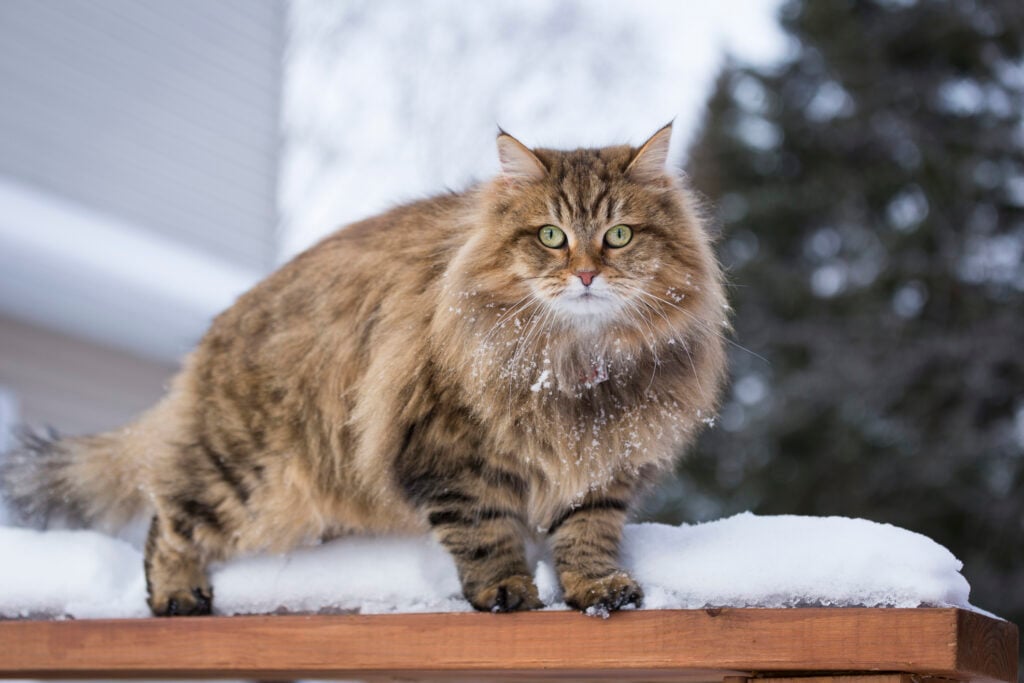
Appearance: Large, muscular, and boasting a luxurious, water-resistant triple coat with a beautiful neck ruff.
-
Growth Rate: Slow to mature. It can take a Siberian up to five years to reach their full physical size and weight!
-
Allergy-Friendly: While no cat is 100% hypoallergenic, they produce significantly lower levels of the allergen-causing protein Fel d 1.
-
Best For: Families with children, multi-pet households, and owners looking for a highly interactive feline companion.
Fluffy, Fearless, and Affectionate: Meet the Siberian Cat Breed
If you are dreaming of a feline companion that combines the majestic, wild look of a forest dweller with the sweet, snuggly personality of a lap dog, your search might just be over. With their mesmerizing eyes, impressive size, and luxurious fluffy coats, the Siberian cat breed is a true showstopper.
But there is so much more to these beautiful cats than just their stunning good looks. They are athletes, problem-solvers, and deeply devoted family members. Whether they are following you from room to room, greeting guests at the front door, or splashing in their water bowl, a Siberian keeps life entertaining.
In this spotlight, we will explore the rugged history, the incredibly playful temperament, and the specific care requirements of the Siberian cat breed to help you decide if this large-and-in-charge feline is the perfect fit for your home.
History: Forged in the Russian Cold
The Siberian cat breed is a naturally occurring breed, meaning they developed without the intentional, early intervention of human breeders. As their name suggests, these robust cats originated in the unforgiving, subarctic climate of Siberia in Russia.
To survive the brutal, freezing winters, the Siberian developed a dense, water-resistant triple coat, a bushy tail that could wrap around their face for warmth, and a strong, muscular build for hunting. They have been documented in Russian fairy tales and children’s books for hundreds of years, revered as loyal companions and fierce protectors of the family grain stores against rodents.
Following the end of the Cold War, the doors opened for these magnificent cats to be exported globally. They finally made their way to the United States in the 1990s and have been steadily climbing the ranks of the most popular cat breeds ever since.
Personality: The Feline Dog
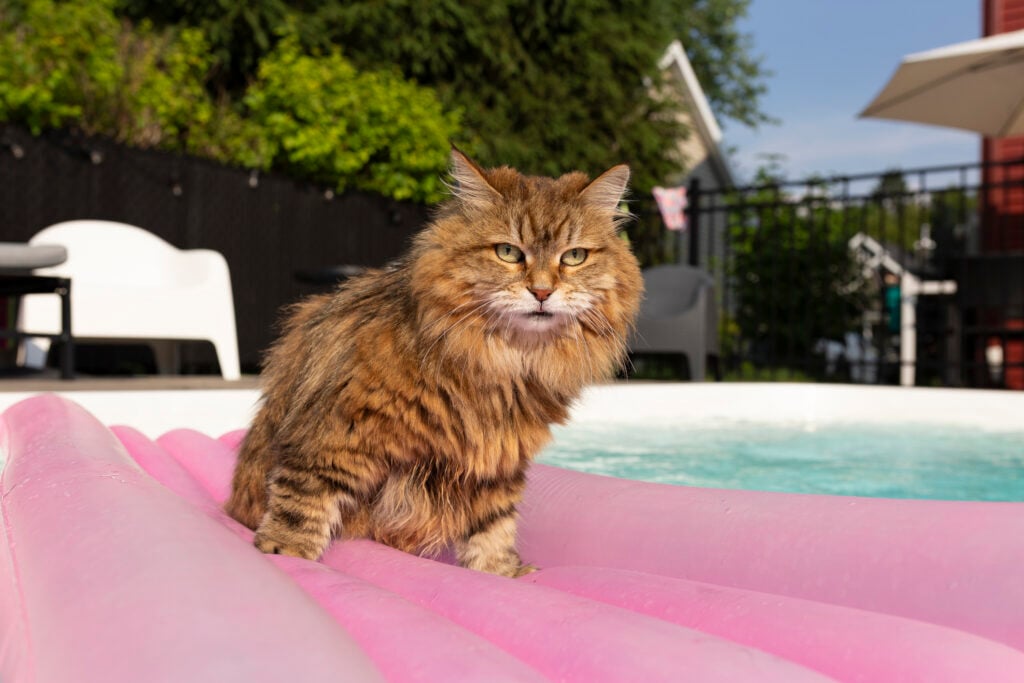
If you want an aloof, independent cat that hides under the bed when guests arrive, the Siberian cat breed is not the right choice for you. They are famously extroverted and are frequently described by pet parents as having “dog-like” personalities.
-
Fiercely Loyal: Siberians want to be involved in whatever you are doing. They will gladly “help” you read a book, type on your computer, or cook dinner.
-
Fascinated by Water: Thanks to their wild heritage and water-repellent coats, many Siberians are obsessed with water. Don’t be surprised if your cat tries to join you in the shower or spends an hour batting at the water in their drinking fountain!
-
Acrobatic and Playful: Despite their heavy build, they are incredibly agile. They love to climb to the highest points in the room and will happily learn to play fetch with their favorite mouse toys.
The Hypoallergenic Question
One of the most famous traits of the Siberian cat breed is their reputation for being “hypoallergenic.” It is crucial to understand that no cat is 100% hypoallergenic. However, science does back up the Siberian’s unique status.
Most cat allergies are triggered by a specific protein called Fel d 1, which is found in a cat’s saliva, skin oils, and urine. When a cat grooms itself, this protein dries on the fur and becomes airborne dander. Studies have shown that the Siberian cat breed naturally produces significantly lower levels of Fel d 1 than the average domestic cat. As a result, many people with mild to moderate cat allergies find they can live comfortably with a Siberian without suffering from sneezing or itchy eyes.
Care Guide: Keeping Your Siberian Healthy
Caring for a large, active cat requires a bit of dedicated effort. Here is what you need to know about keeping a Siberian in top shape.
1. Grooming a Triple Coat
That beautiful triple coat does require maintenance. You should plan to brush your Siberian at least two to three times a week using a high-quality slicker brush and a metal comb to prevent painful mats and tangles from forming in their dense undercoat. During the spring, they will undergo a massive molting process where they shed their heavy winter coat. During this time, daily brushing is highly recommended to keep the hair off your furniture!
2. Premium Nutrition
Because the Siberian cat breed takes up to five years to fully mature and can weigh anywhere from 10 to 20 pounds, they require a diet that supports steady, healthy growth. Fuel their active lifestyle with a premium, protein-rich diet. Whether you choose a high-quality kibble, a hydrating wet food, or a raw diet, the knowledgeable Feed Team at Hollywood Feed can help you select a nutrient-dense formula tailored to their size and energy level.
3. Vertical Space and Exercise
A bored Siberian is a mischievous Siberian. Because they are highly intelligent and athletic, they need an environment that challenges them. Invest in a tall, sturdy cat tree, provide plenty of interactive wand toys, and consider teaching them fun tricks with a clicker and training treats.
Health and Wellness
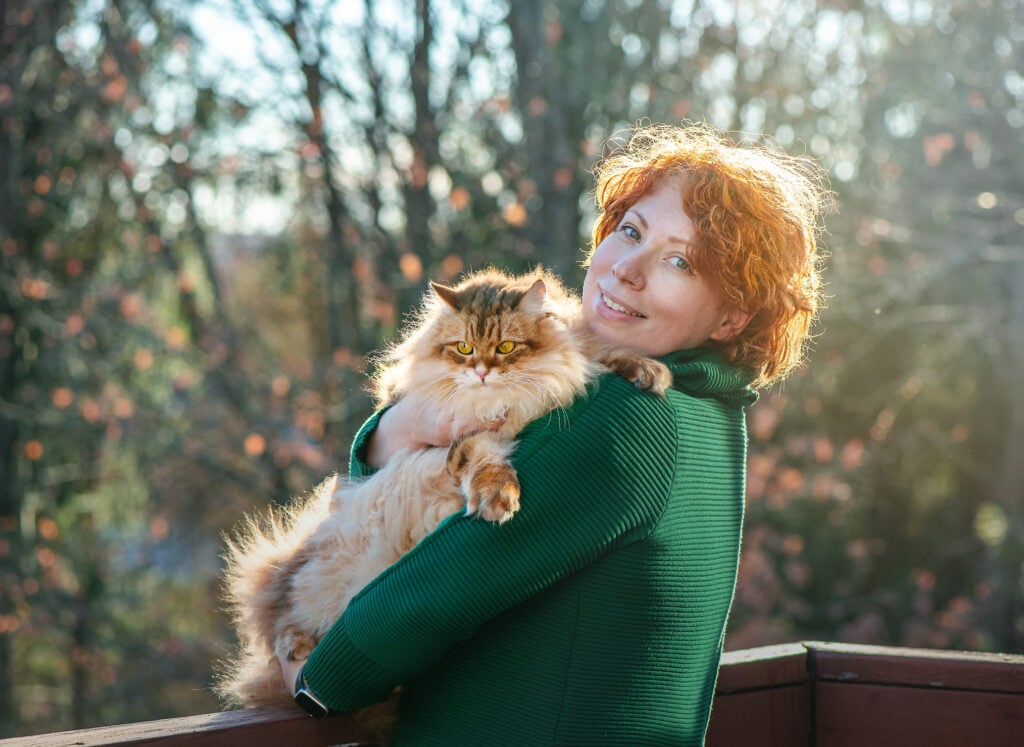
The Siberian cat breed is known for being incredibly robust, hardy, and healthy, with a lifespan typically ranging from 12 to 15 years or more.
However, like all purebred cats, they can be genetically predisposed to Hypertrophic Cardiomyopathy (HCM), which is the most common form of heart disease in felines. If you are purchasing a kitten, it is vital to work with a reputable breeder who performs regular echocardiograms on their breeding cats to ensure they are passing on healthy genetics.
Recap: Is a Siberian Right for You?
To summarize this spotlight on the Siberian cat breed, they make an incredible addition to your family if you:
-
Want a highly interactive, affectionate, and playful companion.
-
Suffer from mild cat allergies and are looking for a breed with lower allergen levels.
-
Have the time to dedicate to regular brushing and grooming.
-
Have a household that can provide plenty of vertical climbing space and engaging playtime.
Frequently Asked Questions (FAQ)
Do Siberian cats get along with dogs and children? Absolutely! Their sturdy build and easygoing, fearless temperament make them fantastic companions for respectful children. They also tend to get along wonderfully with cat-friendly dogs, often engaging them in games of chase.
How big do Siberian cats actually get? They are one of the largest domestic cat breeds. Females typically weigh between 10 and 15 pounds, while males can easily reach 15 to 20 pounds. Keep in mind that they grow very slowly, reaching their full size and heavy musculature around five years of age.
Do they need to be bathed? Generally, no. Their triple coat is naturally dirt and water-resistant. Unless they get into something particularly messy or sticky, regular brushing is all they need to keep their coat clean and healthy.
Are you ready to welcome a majestic, fun-loving Siberian into your family? From sturdy, extra-large cat trees and interactive kicker toys to premium protein-rich diets that fuel their active lifestyle, Hollywood Feed has everything your unique feline needs. Visit your local Hollywood Feed to speak with our expert team, or take advantage of our convenient Same Day Delivery and Curbside Pick-Up to get all your new cat essentials in a flash! Be sure to check out our blog for more expert pet care tips, breed spotlights, and everything you need to navigate pet parenthood.