Getting Your Dog Back on Track
-
Validate the Feeling: It is completely normal to feel flustered or embarrassed when your dog acts out, but remember that your dog is likely overstimulated, not trying to be “bad.”
-
High-Value Currency: Regular kibble won’t cut it in a busy park. You need stinky, soft, high-value training treats to capture their attention.
-
Manage the Environment: Create distance between your dog and the distraction (other dogs, loud noises) until they are far enough away to focus on you.
-
Consistency is Key: Short, positive, and consistent training sessions build a strong foundation of focus over time.
Overcoming Embarrassment When Your Pet Misbehaves in Public
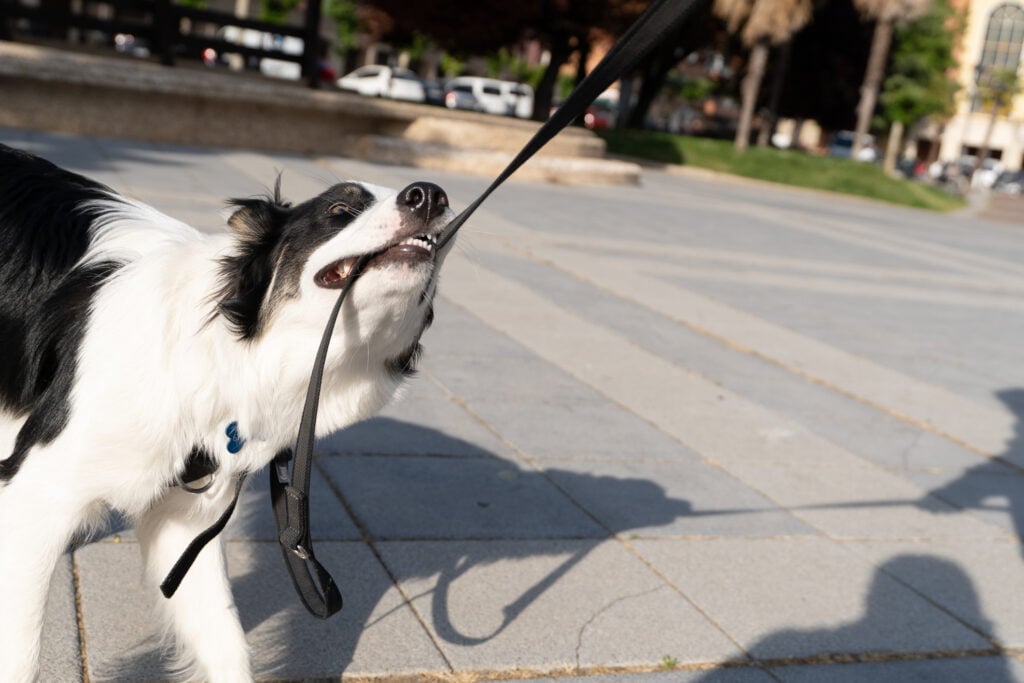
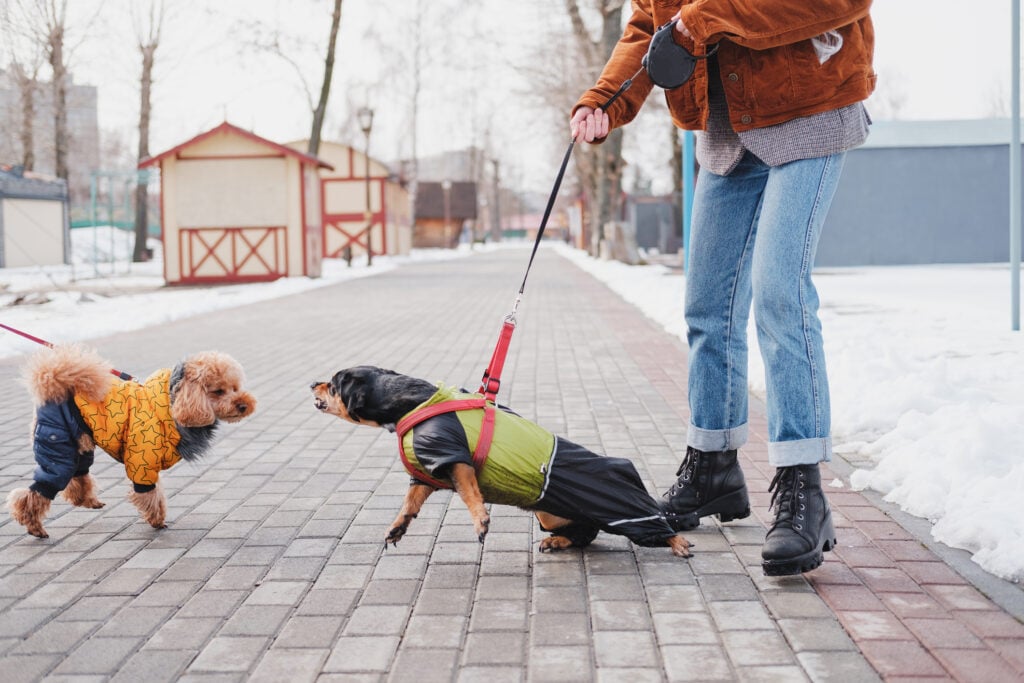
We have all been there. You take your dog to the local farmer’s market, a busy park, or a patio café, expecting a relaxing outing. Instead, your dog starts barking at another dog, pulling relentlessly on the leash, or jumping on a passerby. You can feel the eyes of strangers on you, and the heat rises in your cheeks.
It is incredibly common to feel overwhelmed and embarrassed when your pet misbehaves in public. In that moment, it feels like a reflection of your pet-parenting skills. But the reality is that dogs do not misbehave out of spite or a desire to embarrass you. They act out because they are overstimulated, fearful, or simply lack the training foundation to handle highly distracting environments.
The good news? You can absolutely turn this behavior around. Let us help you get them back to behaving with expert advice and the right tools!
Understanding Why Your Pet Misbehaves in Public
To fix the behavior, we first have to understand the root cause. When a dog is at home, the environment is predictable. They know the smells, the sounds, and the routine. When you step out into public, sensory input explodes. New dogs, fast-moving bicycles, strange people, and new smells overwhelm their senses.
In dog training, we talk about a dog being “over threshold.” When your dog crosses this line of stimulation, the logical part of their brain shuts down. They literally cannot hear your commands anymore. This is why yelling “No!” or pulling on their leash rarely works in the heat of the moment.
The Secret Weapon: High-Value Training Treats
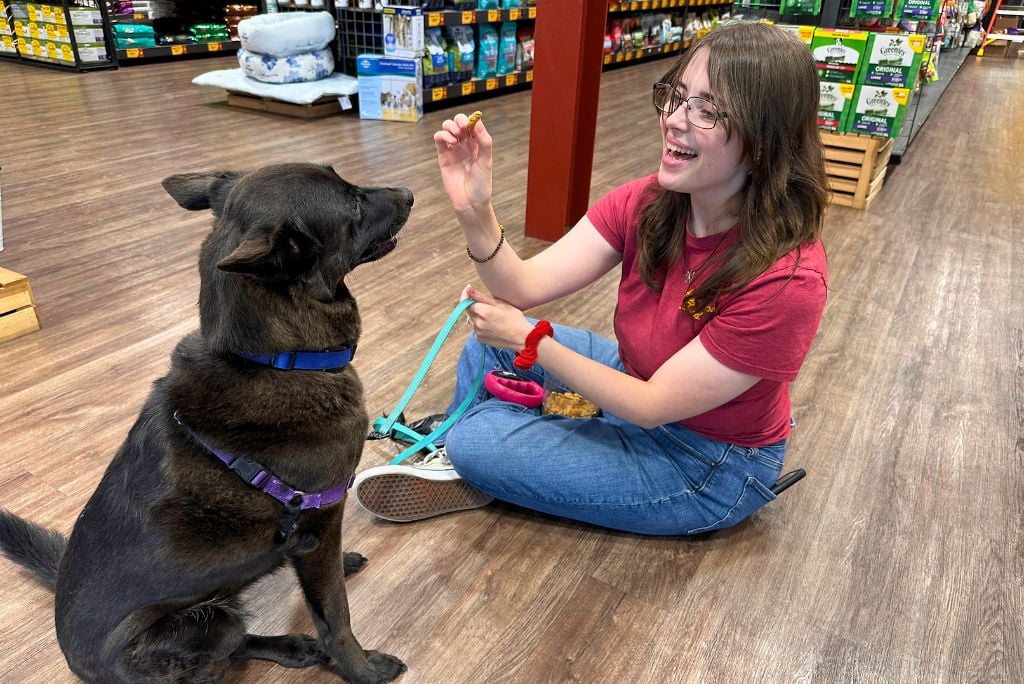
If you want your dog to focus on you instead of the squirrel or the other dog across the street, you have to make yourself the most interesting thing in the environment.
When you are training at home, your dog might happily perform tricks for a piece of standard kibble. But when your pet misbehaves in public, kibble is simply not a high enough “currency” to buy their attention. You need what trainers call high-value treats.
What makes a great high-value training treat?
-
Smell: It needs to be stinky! Dogs navigate the world through their nose. The smellier the treat (think salmon, tripe, or liver), the faster it will snap their attention back to you.
-
Texture: Soft treats are best for training because they can be consumed quickly without stopping the flow of the walk or training session.
-
Size: Training treats should be very small (pea-sized) so you can give them frequently without overfeeding your dog.
At Hollywood Feed, we only carry premium, wholesome treats that we trust to feed our own pets. Our Feed Team can point you toward excellent freeze-dried liver or soft, meaty training bites that are perfect for public outings.
Step-by-Step Training Advice for Public Outings
Armed with your high-value treats, here is how you can start reshaping your dog’s behavior in public.
1. Master the “Watch Me” Command at Home
Before you go to a busy park, teach your dog the “Watch Me” or “Look” command in your living room. Hold a high-value treat near your dog’s nose, then bring it up to your eyes. The moment your dog makes eye contact with you, say “Yes!” (or click your clicker) and give them the treat. Practice this until they look at you reliably on command.
2. Manage Distance (Stay Under Threshold)
When you go out in public, figure out your dog’s threshold distance. If your dog starts barking at other dogs from 50 feet away, you need to stay 60 feet away. Find a distance where your dog notices the trigger but is still calm enough to take a treat and listen to you.
3. Reward Disengagement
When your dog looks at the distraction (another dog, a person), say your “Watch Me” command. If they turn their head away from the distraction to look at you, immediately reward them with a high-value treat. You are teaching them that ignoring distractions and focusing on you is highly rewarding.
4. Don’t Be Afraid to Bail
If a situation gets too overwhelming and your dog goes over threshold, don’t try to train through it. It is perfectly okay to turn around, walk away, and try again another day. Every positive, calm outing—no matter how short—is a victory.
Equip Yourself for Success
Having the right gear can make all the difference. Beyond treats, a well-fitted, no-pull harness or a comfortable training lead can give you better, safer control.
Every member of the Hollywood Feed team receives over 40+ hours of annual staff training. We are here to help you navigate these behavioral challenges by recommending the right harnesses, training clickers, and treat pouches. Plus, everything you buy is backed by the Hollywood Feed Promise: If you or your pet don’t love it, we will gladly replace or refund it!
Recap: Training for Public Success
-
Don’t Panic: It is normal to feel embarrassed when your pet misbehaves in public, but stay calm to help your dog de-escalate.
-
Upgrade Your Treats: Bring soft, stinky, high-value training treats that your dog rarely gets at home.
-
Create Distance: If your dog is reacting, move further away from the trigger until they can focus on you again.
-
Practice Eye Contact: Heavily reward your dog for looking at you and “checking in” during your walks.
Frequently Asked Questions (FAQ)
My dog won’t take treats when we are out in public. What should I do?
If a highly food-motivated dog suddenly refuses high-value treats, it is a clear sign they are “over threshold” and too stressed or stimulated to eat. You need to create more distance between your dog and the environment (move further away from the park, the other dogs, or the noise) until they calm down enough to accept the food.
Can I just let my dog “cry it out” or bark until they stop?
Allowing a dog to continually rehearse bad behavior (like lunging or barking) actually reinforces the behavior. It is much more effective to proactively redirect their attention or remove them from the stressful situation before they escalate.
How long will it take for my dog to behave perfectly in public?
Every dog is different. Depending on their age, breed, and past experiences, it can take weeks or months of consistent, positive reinforcement training. Keep your sessions short, end on a positive note, and celebrate the small victories!
Don’t let training struggles keep you indoors! Visit your local Hollywood Feed to speak with our expert team and stock up on the best high-value training treats, treat pouches, and comfortable harnesses. Short on time before your next training walk? Take advantage of our convenient Same Day Delivery or Curbside Pick-Up so you can get right to work. Be sure to check out our blog for more expert pet care tips, training advice, and everything you need to navigate pet parenthood with confidence!