The turkey is in the oven. The pies are cooling on the counter. Music is dancing through the house. Guests are about to arrive. And there’s a wet nose parked right next to your elbow, waiting for something to drop.
The holidays are all about sharing a table with the people (and pets!) we love. But some of our favorite festive foods can send a dog or cat to the emergency vet. To help you celebrate safely, we hosted a live Q&A with Dr. Katie Miller, a veterinarian and board-certified companion animal nutritionist. Here’s what we learned.
Build a Pet-Friendly Holiday Plate
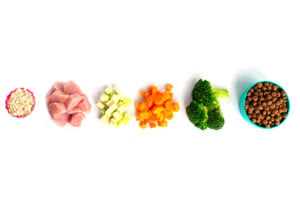
The good news? Your pet can still join the feast. Dr. Miller’s rule of thumb: keep it plain, cooked, boneless and small.
- Meat: Skinless, unseasoned turkey or chicken breast. Skip the bones, skin, drippings, gravy and ham.
- Sides: Plain cooked green beans, carrots, sweet potato or potato, plus a few cranberries for color.
- Dessert: A spoonful of plain canned pumpkin or sweet potato, topped with a toasted pecan.
The easiest trick is to set aside your pet’s portion before you add butter, salt or seasonings. Your pet doesn’t need a huge holiday meal to feel special. A few bites go a long way!
Which Holiday Foods Are Toxic to Pets?
Some foods aren’t just rich. They’re dangerous. Keep these far out of reach:
- Grapes, raisins and currants: Even small amounts can cause kidney failure in some dogs, and there’s no way to predict which ones.
- Chocolate and cocoa powder: The darker and more concentrated, the more toxic. Baker’s chocolate and pure cocoa are the biggest worries.
- Xylitol (birch sugar): Found in sugar-free gum, peanut butter, toothpaste and baked goods. It can crash a dog’s blood sugar within 30 minutes.
- Onion and garlic powders: Concentrated powders can damage red blood cells, and signs may not show up for days.
- Raw yeast dough: A double threat. It keeps rising in the stomach and ferments into alcohol.
- Macadamia nuts: Toxic to dogs, especially when covered in chocolate.
Watch for Hidden Hazards
Become a label reader! Stuffing, gravies and stocks often hide onion and garlic. Fruitcakes may contain raisins. Pumpkin pie mix includes sugar and spices like nutmeg, so stick to canned pumpkin that’s just pumpkin and water.
And remember, risky isn’t always toxic. Fatty foods can trigger pancreatitis, cooked bones can splinter, and skewers or toothpicks can injure the GI tract. If your pet has a sensitive stomach or eats a prescription diet, Dr. Miller suggests bagging up some of their regular food and serving it as a special “treat.”
Cats Count, Too
Cats are even more sensitive to onion and garlic than dogs, and chocolate is just as toxic to them. Despite the classic picture of a kitty with a saucer of cream, most adult cats are lactose intolerant. Try a pet milk replacer or goat’s milk instead.
One more holiday hazard for cat homes: lilies. They often sneak into floral arrangements, so check every bouquet before it comes inside.
Set Your Guests Up for Success
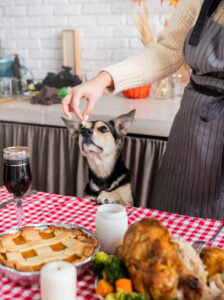
We all have that one relative who will slip the dog a bite no matter what. Give them something to share!
- Fill a treat jar: Put a measured amount of pre-approved treats in a labeled container.
- Talk to the kids: Ask little ones to keep plates and drinks above pet height.
- Feed your pet first: A small celebratory meal before dinner takes the edge off.
- Pick a pet supervisor: Someone keeps an eye on the pets during appetizers, dinner and cleanup.
- Create a quiet space: A crate or closed room helps pets avoid temptation.
What to Do If Your Pet Eats Something Toxic
Accidents happen. If they do, stay calm and follow these steps:
- Remove access to the food.
- Save the packaging or ingredient list, and estimate how much your pet ate and when.
- Call your veterinarian, an emergency clinic or the ASPCA Animal Poison Control Center.
Do not induce vomiting unless a veterinary professional tells you to. It isn’t safe for every situation and is never recommended at home for cats.
Most importantly, don’t wait for symptoms. Many holiday toxins do their damage long before your pet looks sick.
Pro tip: Keep a laminated card on the fridge with your pet’s current weight, medications, special diet, your vet’s number, your emergency vet’s number and the poison control hotline.
Recap
- Keep it plain: Unseasoned, cooked, boneless and small.
- Know the dangers: Grapes, chocolate, xylitol, onion and garlic powders, yeast dough and macadamia nuts.
- Prep your people: Designated treats and a pet supervisor.
- Act fast: Call a professional before symptoms appear.
Celebrate Safely With Hollywood Feed
Want to spoil your pet without the worry? Hollywood Feed carries turkey, turkey and cranberry, turducken, and other holiday-inspired treats made just for pets. Visit your local Hollywood Feed, or shop online with Same Day Delivery or Curbside Pick-Up.
Ready to make this your pet’s safest holiday yet?
This article is for educational purposes. Always contact your veterinarian with questions about your pet’s health.